Introduction
Managing money has become increasingly challenging in recent years. Rising living costs, subscription services, online shopping, and changing financial priorities can make it difficult to keep track of spending. This is where monthly budget planning becomes essential.
A well-planned budget helps you understand your income, control expenses, reduce financial stress, and work toward important goals such as buying a home, building an emergency fund, or planning for retirement.
The good news is that budgeting doesn’t require complex spreadsheets or advanced financial knowledge. With a simple strategy and consistent habits, anyone can take control of their finances.
In this guide, you’ll learn practical budgeting techniques, common mistakes to avoid, and simple steps to create a budget that works in 2026 and beyond.
Why Budgeting Matters More Than Ever in 2026
Financial planning is no longer optional. Whether you’re a student, employee, freelancer, or business owner, budgeting plays a critical role in achieving financial stability.
Benefits of monthly budget planning include:
- Better control over spending
- Improved savings habits
- Reduced financial stress
- Faster debt repayment
- Better preparation for emergencies
- Increased confidence in financial decisions
Without a budget, it’s easy to underestimate expenses and overspend without realizing where your money is going.
Understanding Where Your Money Goes
Before creating a budget, it’s important to understand your spending habits.
Start by reviewing:
Fixed Expenses
These expenses usually remain the same each month.
Examples:
- Rent or mortgage payments
- Loan EMIs
- Insurance premiums
- Internet bills
- School fees
Variable Expenses
These expenses change from month to month.
Examples:
- Groceries
- Fuel
- Dining out
- Entertainment
- Shopping
Occasional Expenses
These expenses don’t occur every month but should still be planned for.
Examples:
- Medical expenses
- Vehicle maintenance
- Festivals and celebrations
- Annual subscriptions
Tracking these categories provides a realistic picture of your financial situation.
The 5-Step Monthly Budget Planning Framework
Step 1: Calculate Your Total Monthly Income
Include all reliable income sources:
- Salary
- Freelance earnings
- Rental income
- Side business income
- Investment income
Knowing your total income helps establish realistic spending limits.
Step 2: List All Expenses
Write down every recurring and occasional expense.
Many people underestimate small purchases such as:
- Coffee
- Food delivery
- Streaming subscriptions
- Online purchases
These expenses can significantly affect monthly savings.
Step 3: Set Financial Goals
Your budget should support both short-term and long-term goals.
Examples:
Short-Term Goals:
- Build an emergency fund
- Pay off credit card debt
- Save for a vacation
Long-Term Goals:
- Buy a home
- Children’s education
- Retirement planning
Clear goals make budgeting more meaningful and easier to maintain.
Step 4: Allocate Your Money
One popular approach is the 50-30-20 rule:
| Category | Percentage |
| Needs | 50% |
| Wants | 30% |
| Savings & Investments | 20% |
This framework offers a balanced approach to managing income.
Step 5: Monitor and Adjust Monthly
A budget should be reviewed regularly.
Ask yourself:
- Did I stay within my limits?
- Which categories exceeded expectations?
- Can I increase my savings next month?
Small adjustments can lead to significant improvements over time.
Budgeting Methods You Can Try
Different people prefer different budgeting styles.
Zero-Based Budgeting
Every rupee has a purpose.
Income – Expenses = Zero
This method encourages intentional spending and helps avoid waste.
Envelope Budgeting
Allocate spending categories into separate envelopes or digital accounts.
Examples:
- Food
- Transportation
- Entertainment
- Savings
Once a category is exhausted, spending stops.
Percentage-Based Budgeting
Use predefined percentages for spending and saving.
This approach works well for beginners who want simplicity.
Common Budgeting Mistakes to Avoid
Ignoring Small Expenses
Daily purchases may seem insignificant individually but can accumulate quickly.
Setting Unrealistic Limits
Extremely restrictive budgets often fail because they are difficult to maintain.
Forgetting Emergency Savings
Unexpected expenses can disrupt even the best financial plans.
Aim to build an emergency fund covering at least 3 to 6 months of living expenses.
Not Reviewing Your Budget
Financial situations change over time.
Regular reviews ensure your budget remains relevant.
Relying on Memory
Always track expenses rather than estimating them.
Accurate records lead to better decisions.
Digital Tools That Make Budgeting Easier
Technology has simplified personal budget management.
Online calculators can help estimate expenses, loan payments, taxes, and savings goals more accurately.
Useful tools include:
These tools reduce calculation errors and provide faster financial insights.
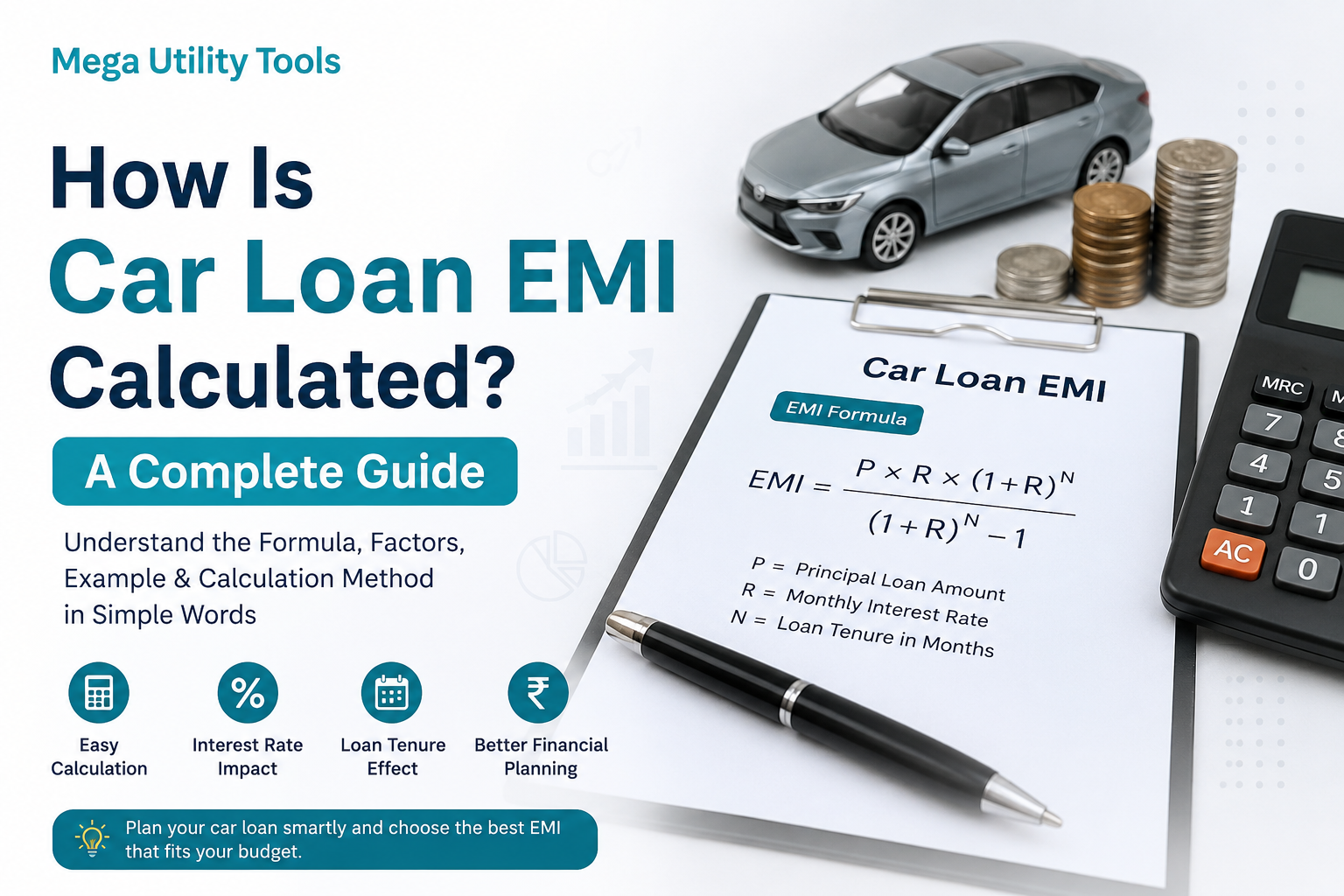
For example, before taking a loan, using an EMI Calculator can help determine whether monthly repayments fit comfortably within your budget.
Similarly, an Income Tax Calculator can help estimate tax liabilities and avoid surprises during tax season.
Creating a Budget That You Can Actually Follow
The best budget is one you can maintain consistently.
Here are some practical strategies:
Start Small
Don’t attempt drastic financial changes overnight.
Focus on one improvement at a time.
Automate Savings
Set up automatic transfers to savings accounts.
This reduces the temptation to spend money intended for future goals.
Build Flexibility
Life is unpredictable.
Include a buffer category for unexpected expenses.
Celebrate Progress
Recognize milestones such as:
- Paying off debt
- Reaching savings goals
- Staying within budget for multiple months
Positive reinforcement helps maintain motivation.
Focus on Habits, Not Perfection
No budget is perfect.
The goal is continuous improvement rather than flawless execution.
Frequently Asked Questions
1. What is monthly budget planning?
Monthly budget planning is the process of organizing income and expenses to manage money effectively and achieve financial goals.
2. Why is budgeting important?
Budgeting helps control spending, increase savings, reduce debt, and improve financial stability.
3. How much should I save each month?
A common recommendation is to save at least 20% of your monthly income, though the ideal amount depends on your goals and circumstances.
4. Which budgeting method is best for beginners?
The 50-30-20 budgeting method is often considered beginner-friendly because it is simple and easy to implement.
5. Can online calculators improve budgeting?
Yes. Tools such as EMI Calculators and Income Tax Calculators help users make informed financial decisions with greater accuracy.
Conclusion
Monthly budget planning is one of the most valuable financial habits you can develop in 2026. A realistic budget provides clarity, reduces financial stress, and helps you work toward meaningful goals with confidence.
By understanding your income, tracking expenses, setting priorities, and using financial tools wisely, you can build a stronger financial foundation for the future. The key is consistency. Small improvements made each month often lead to significant long-term results.